Vietnam
Discover why Vietnam has become one of Asia's fastest-growing innovation hubs and an ideal destination for faculty-led university immersion programs.
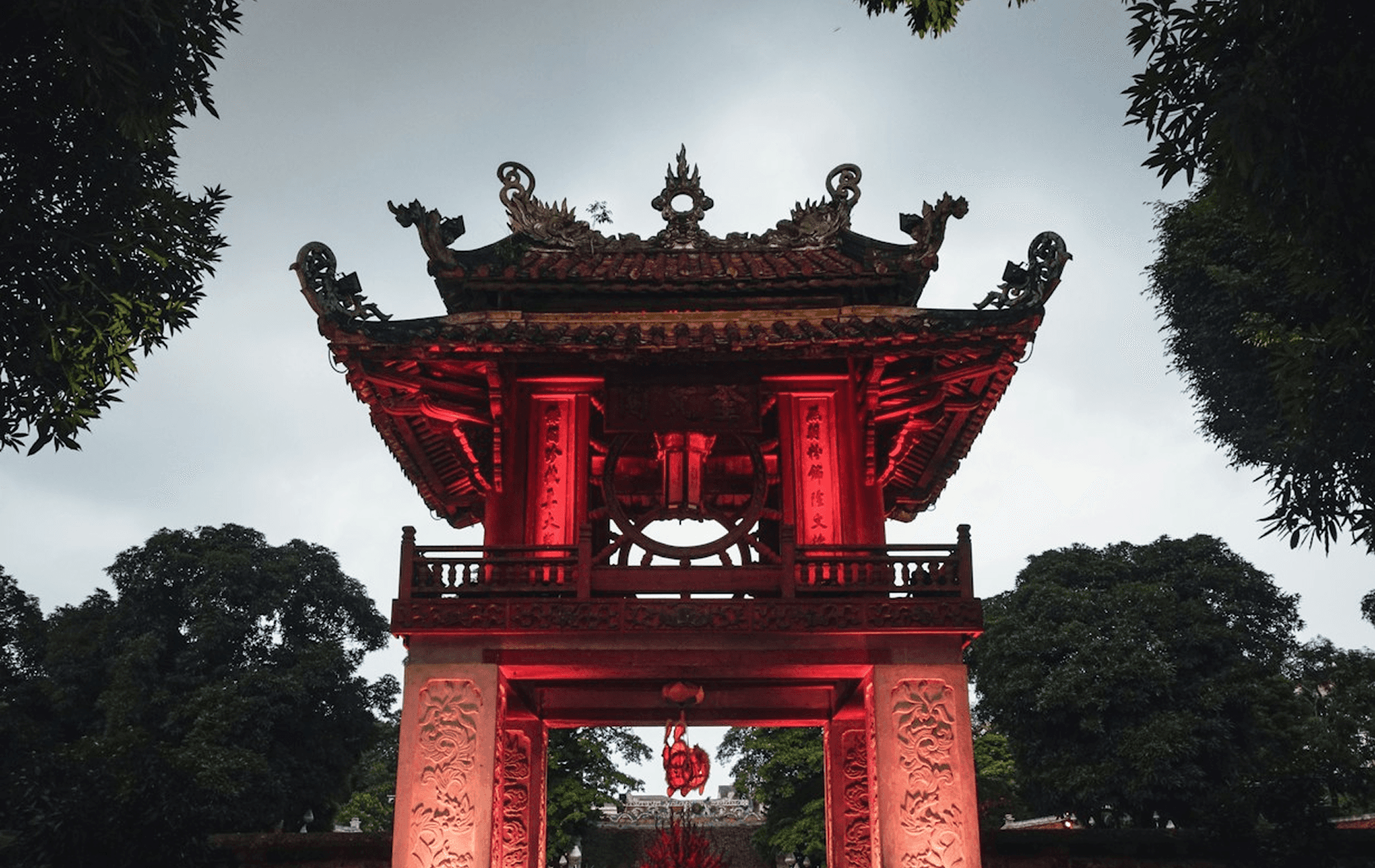
Over the past two decades, Vietnam has transformed itself into one of the world's most dynamic economies. Once known primarily for agriculture and manufacturing, the country has emerged as a regional leader in technology, entrepreneurship, sustainable development, and global trade.
For university students, Vietnam offers a unique opportunity to witness economic transformation in real time.
Modern skyscrapers rise beside centuries-old temples. Technology startups operate alongside traditional family businesses. Global manufacturers share space with local entrepreneurs building solutions for the future.
This contrast makes Vietnam one of the most engaging destinations for faculty-led educational travel.
Whether students study business, economics, engineering, international relations, sustainability, or public policy, Vietnam offers a living classroom where growth, innovation, and culture intersect.
From Manufacturing Hub to Innovation Leader
Vietnam's economic story is one of the most remarkable in Asia.
Since implementing market reforms in the late twentieth century, the country has consistently attracted foreign investment, expanded international trade, and developed a thriving private sector.
Today, Vietnam is home to rapidly growing industries including:
Technology
Artificial Intelligence
Electronics Manufacturing
Renewable Energy
FinTech
Logistics
Smart Manufacturing
Digital Commerce
Cities like Ho Chi Minh City, Hanoi, and Da Nang have become centers for innovation, attracting entrepreneurs, investors, multinational companies, and research institutions from around the world.
Students experience firsthand how emerging economies can rapidly evolve through strategic planning, education, and international collaboration.
Learning Business in One of Asia's Fastest-Growing Markets
For business students, Vietnam presents an invaluable case study.
Instead of reading about globalization, students observe it happening around them.
Educational visits can include:
Startup incubators
Technology parks
Innovation hubs
Manufacturing facilities
Corporate headquarters
Export businesses
Faculty-led discussions often explore:
International business strategy
Emerging markets
Supply chain resilience
Entrepreneurship
Foreign direct investment
Digital transformation
Students gain a practical understanding of how businesses adapt in rapidly changing economies.
The Rise of Vietnam's Startup Ecosystem
Vietnam has become one of Southeast Asia's fastest-growing startup ecosystems.
Thousands of entrepreneurs are building companies in sectors such as:
Financial Technology
Education Technology
Healthcare
Artificial Intelligence
Software Development
Clean Energy
Innovation districts throughout Ho Chi Minh City and Hanoi provide students with opportunities to meet founders, investors, and startup communities.
These conversations help students understand the realities of entrepreneurship—from raising investment to scaling internationally.
Unlike Silicon Valley, Vietnam offers a perspective on innovation within an emerging economy, where creativity often develops through resourcefulness rather than abundance.
Engineering, Manufacturing, and Global Supply Chains
Vietnam has become an important manufacturing destination for global brands.
Students studying engineering, industrial design, operations, or supply chain management benefit from visiting advanced production facilities where automation, robotics, quality control, and logistics operate at scale.
Key learning topics include:
Lean Manufacturing
Smart Factories
Industrial Automation
Global Supply Chains
Export Logistics
Quality Management
Seeing these systems in operation helps students appreciate how engineering decisions influence global commerce.
Sustainability in a Rapidly Growing Economy
Economic growth creates both opportunities and challenges.
Vietnam provides an excellent environment for discussing sustainable development.
Faculty can integrate conversations around:
Renewable energy
Climate resilience
Coastal conservation
Urban development
Circular economy
Green manufacturing
Students explore how governments, businesses, and communities balance economic expansion with environmental responsibility.
These discussions become especially relevant for environmental science, public policy, and sustainability programs.
Cities That Never Stop Learning
Vietnam's cities each offer distinct educational experiences.
Ho Chi Minh City
The country's commercial capital is home to multinational corporations, startup incubators, universities, financial institutions, and innovation districts.
Students explore entrepreneurship, finance, international trade, and technology.
Hanoi
Vietnam's political and cultural capital combines historic architecture with government institutions, research centers, and leading universities.
Programs often focus on public policy, history, diplomacy, and sustainable development.
Da Nang
Known for its technology sector and coastal development, Da Nang provides insight into smart city planning, tourism management, engineering, and environmental sustainability.
Culture Shapes Business
Understanding Vietnam's economy also means understanding its people.
Educational travel extends beyond boardrooms and university campuses.
Students experience:
Local markets
Family-owned businesses
Traditional crafts
Vietnamese cuisine
Cultural performances
Historic neighborhoods
These experiences help students appreciate how culture influences negotiation, leadership, entrepreneurship, and consumer behavior.
For international business students, cultural intelligence becomes just as important as financial knowledge.
University Partnerships and Academic Exchange
Vietnam is home to a growing network of universities focused on international collaboration.
Programs may include:
Campus visits
Faculty lectures
Student exchanges
Research presentations
Innovation labs
Collaborative workshops
Meeting Vietnamese students often becomes one of the most memorable parts of the experience.
These interactions encourage global perspectives and cross-cultural friendships that extend beyond the program itself.
A Destination for Multiple Disciplines
Vietnam supports experiential learning across numerous academic fields.
Ideal programs include:
Business Administration
MBA
Economics
Entrepreneurship
Engineering
Supply Chain Management
International Relations
Political Science
Sustainability
Environmental Science
Architecture
Urban Planning
Hospitality
Tourism Management
Global Studies
Its diversity allows universities to design interdisciplinary programs that combine academic rigor with cultural immersion.
Sample Five-Day Educational Itinerary
Day 1: Arrival, cultural orientation, walking tour of Ho Chi Minh City.
Day 2: University campus visit, faculty lecture, innovation hub exploration.
Day 3: Manufacturing facility tour, supply chain workshop, executive networking session.
Day 4: Sustainability projects, local enterprise visit, community engagement.
Day 5: Reflection session, cultural immersion, departure.
Every itinerary can be tailored to match specific learning objectives and academic disciplines.
Why Faculty Choose Vietnam
Faculty members increasingly select Vietnam because it offers experiences students simply cannot replicate in a classroom.
Students gain insight into:
Emerging economies
Entrepreneurship
International trade
Sustainable development
Manufacturing excellence
Cultural diversity
Global leadership
Combined with welcoming communities, affordable travel, and outstanding educational opportunities, Vietnam provides exceptional value for university immersion programs.
Final Thoughts
Vietnam is more than a destination experiencing growth.
It is a country actively shaping the future of Southeast Asia.
Its cities demonstrate how innovation, entrepreneurship, education, and resilience can transform societies within a single generation.
For university students, there are few better places to understand globalization, economic development, and cross-cultural collaboration.
Educational travel in Vietnam goes beyond observation.
It encourages students to ask better questions, think more globally, and return home with perspectives that will shape their future careers.